Interruptibility Detection
Recognizing opportune moments for notifications from smartphone activity and transitions across devices.
When is a good moment to interrupt?
Notifications can arrive in the middle of an activity, forcing people to switch attention at an inconvenient moment. The challenge is to recognize a natural breakpoint from the signals a phone or watch can observe, rather than relying on a fixed delivery schedule.
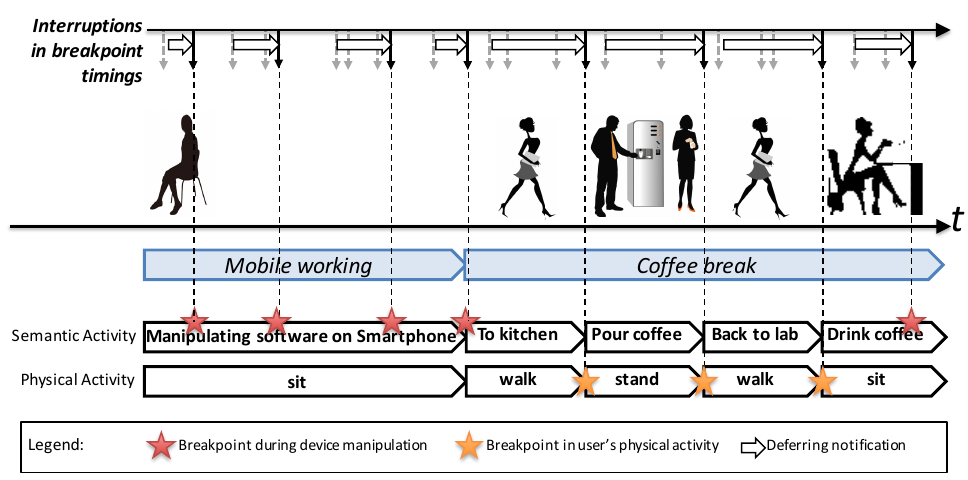
We developed Attelia to detect breakpoints in smartphone interaction and defer notifications until those moments. Attelia II extended this approach to transitions in physical activity and signals shared across devices, so opportunities could be detected both during device use and while a device was carried or worn.
Combining signals across devices
A breakpoint on one device may not tell the whole story: someone can stop using their phone while continuing another activity. Attelia II therefore combines UI-based breakpoint detection with physical-activity transitions, such as stopping a walk.
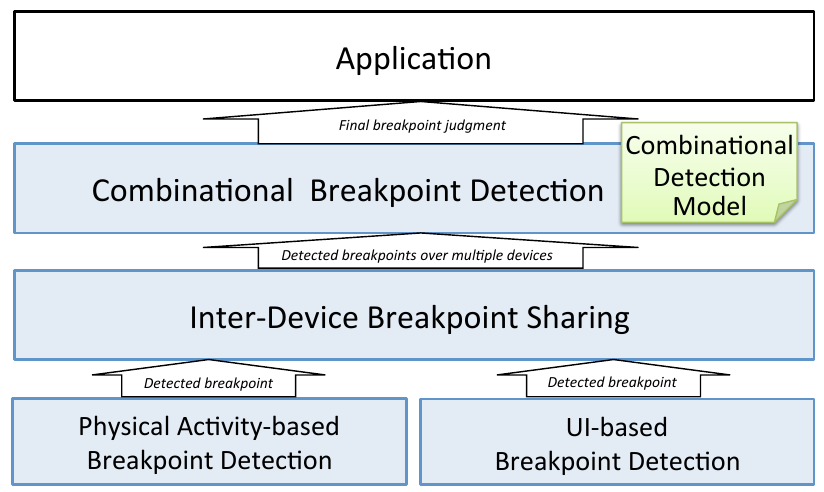
Phones and watches share their detected breakpoints and whether they are actively being used. A combination layer brings these signals together to decide when to release a deferred notification, extending detection beyond a single device or type of activity.
Evaluating the experience
The related studies examined cognitive load and perceived mental effort around notifications. They connect sensing and system design with evaluation of the resulting user experience.
This line of research also connects to receptivity in mobile health: whether someone is available to receive, understand, and act on a recommendation.
Related publications
Full list →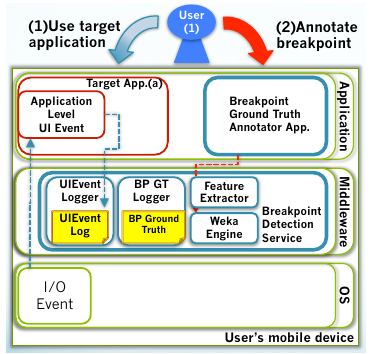
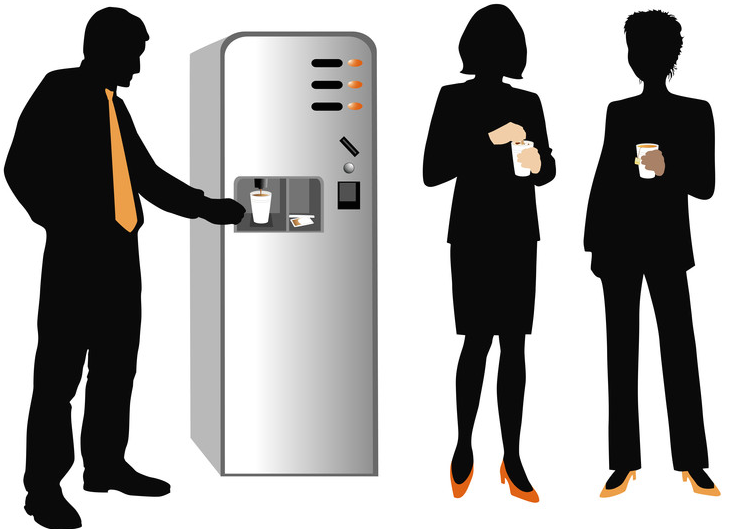
 Towards Attention-Aware Adaptive Notification on Smartphones
Pervasive and Mobile Computing · 2016