Other projects
Understanding smartphone behavior and designing better ways for people to explore large datasets.
Understanding smartphone users
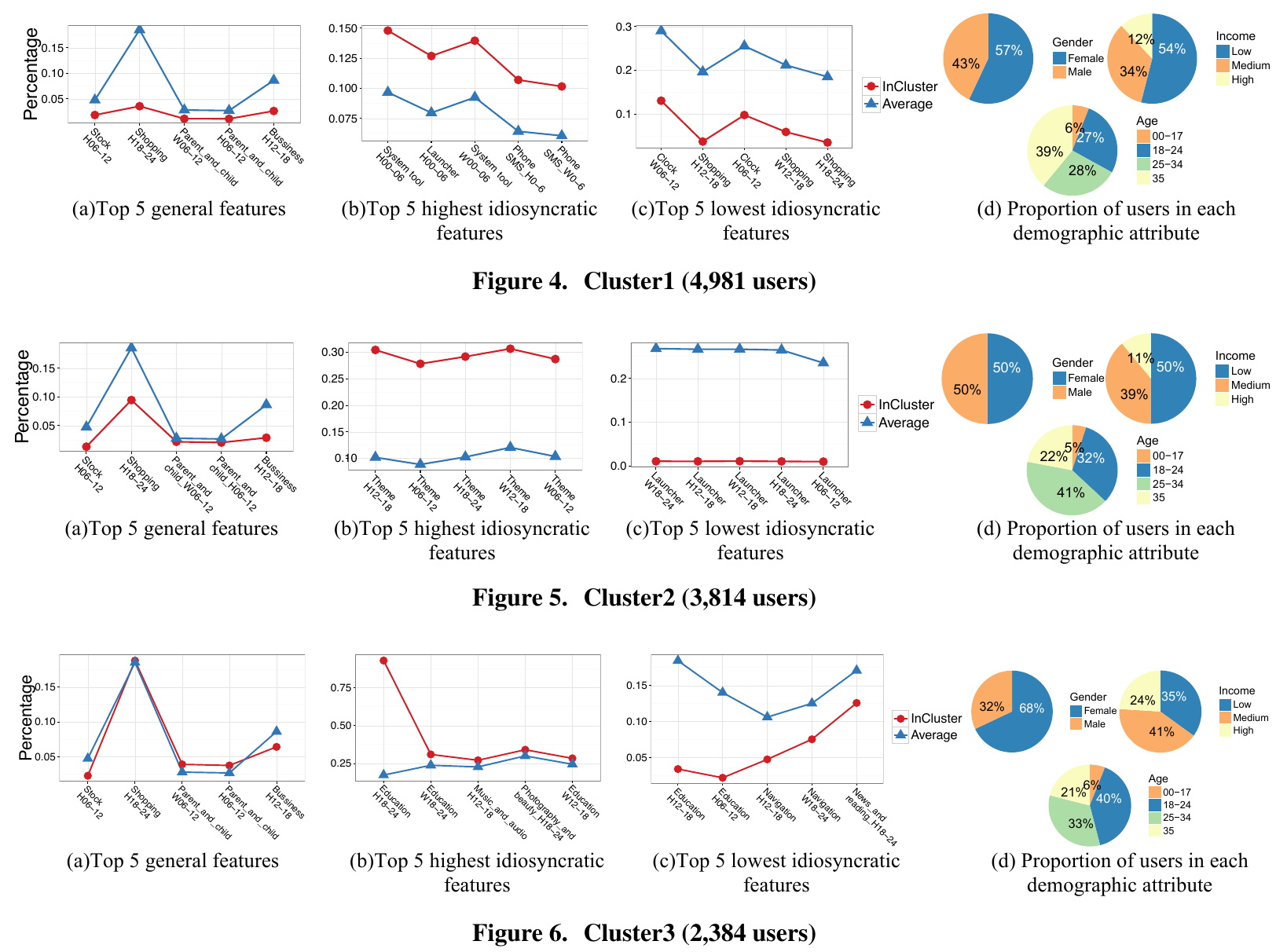
Smartphone design and research often treat people as one average user, or as a handful of user types. That assumption can hide meaningful differences in behavior and make findings difficult to generalize. We asked whether application-use patterns could reveal a more diverse set of users.
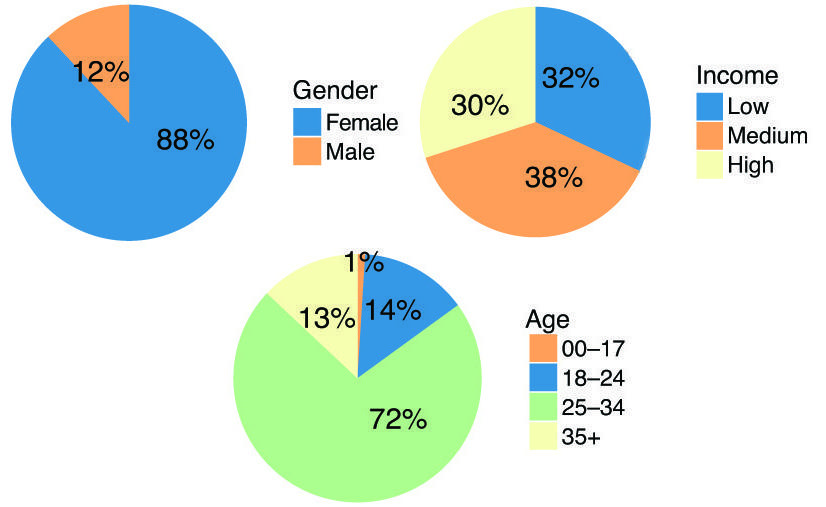
We combined two-stage clustering with feature ranking to identify groups and explain what made them distinctive. The study analyzed a month of app-use records from 106,762 Android users in China and identified 382 groups, with examples including Night communicators, Screen checkers, Evening learners, Financial users, Young parents, and Car lovers. These labels describe patterns in this dataset, rather than a universal taxonomy of smartphone users. Related survey work mapped the broader field of profiling people from app use.
Understanding the context of use
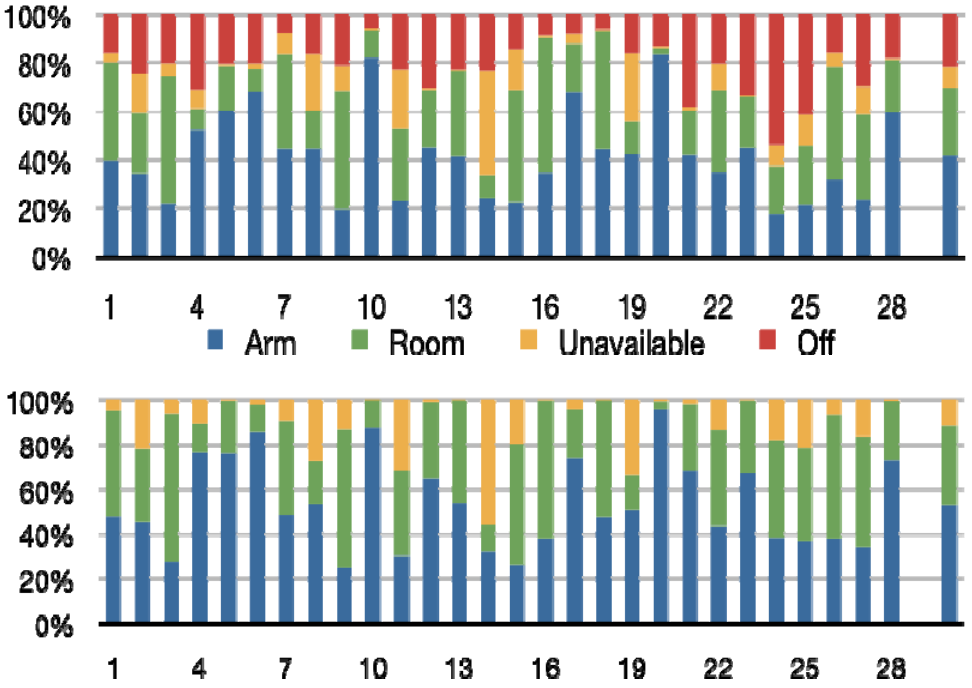
Context-aware applications often assume that a phone is always with its owner, ready to sense their surroundings or deliver information. If it is across the room or left behind, that assumption breaks. Getting Closer asked how often smartphones are actually near their users in daily life.
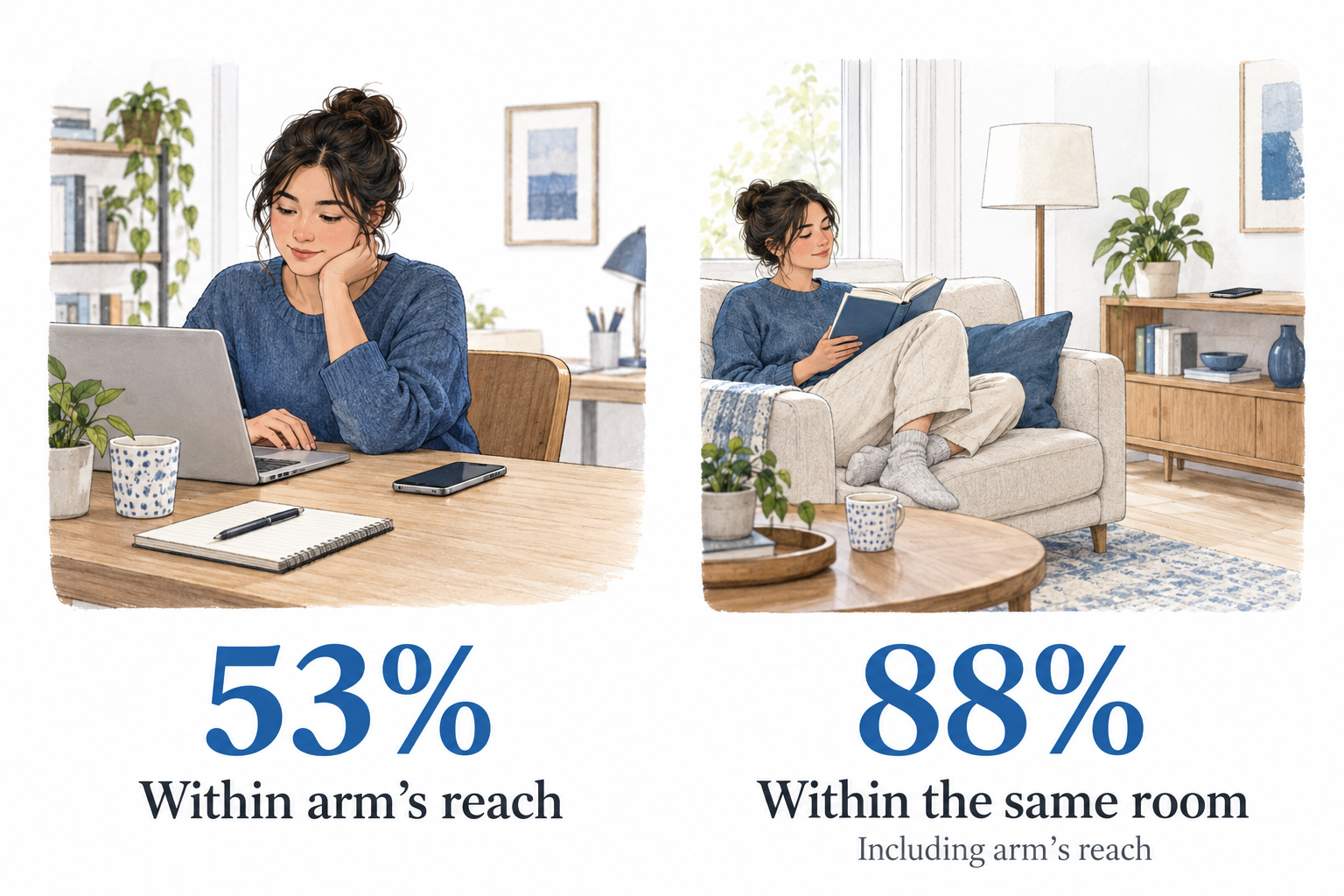
We followed 28 smartphone owners for four weeks, combining Bluetooth proximity measurements, phone logs, and interviews. Excluding periods when the phone was off, phones were within arm’s reach for 53% of the time and within arm’s reach or the same room for 88%. This distinction matters: a phone can still sense parts of someone’s environment without being close enough for an immediate interaction.
Helping people explore data
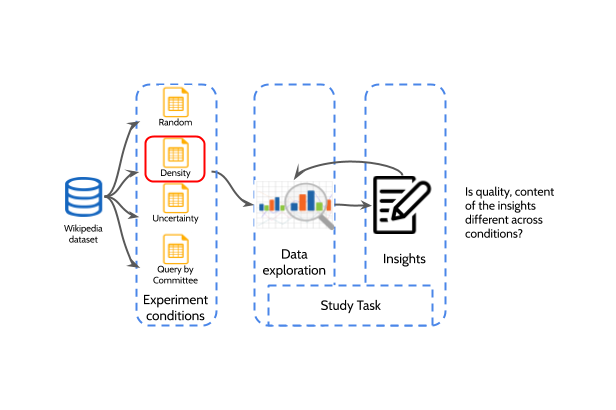
Large datasets are difficult to explore in full, so analysts often work with samples. Random sampling is common, but it may focus attention on only part of what a dataset contains. We asked whether other sampling methods could help people discover different insights without reducing their quality.
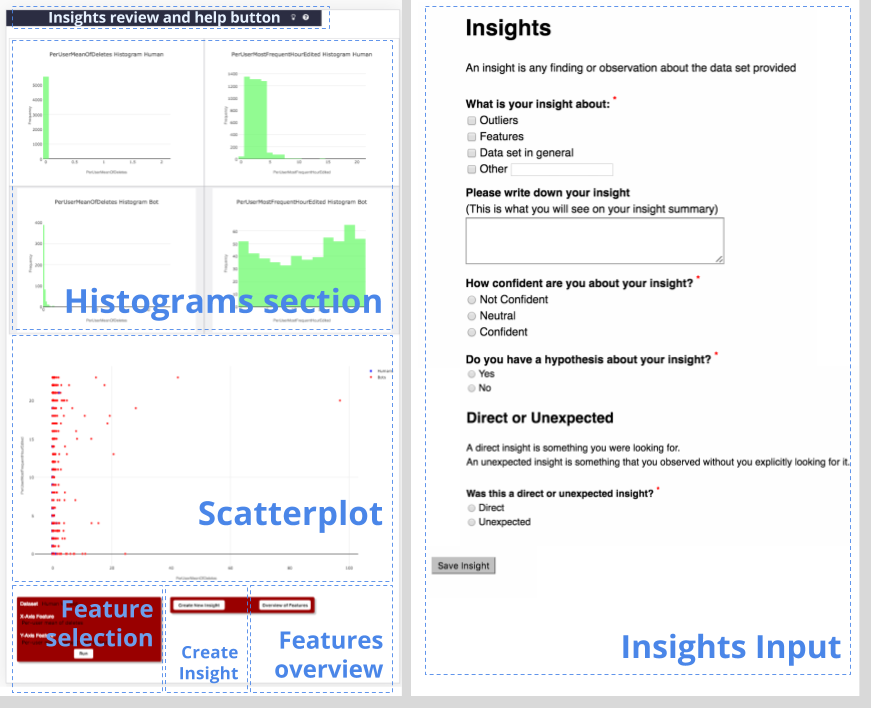
We adapted density sampling, uncertainty sampling, and query by committee for large datasets and compared them with random sampling. In an online study, 34 data scientists explored samples from more than two million Wikipedia editing records. Different methods led participants to discuss different data features, while the study found no statistically significant difference in insight quality. The results support offering multiple sampling methods to broaden exploration.
Related publications
Full list →
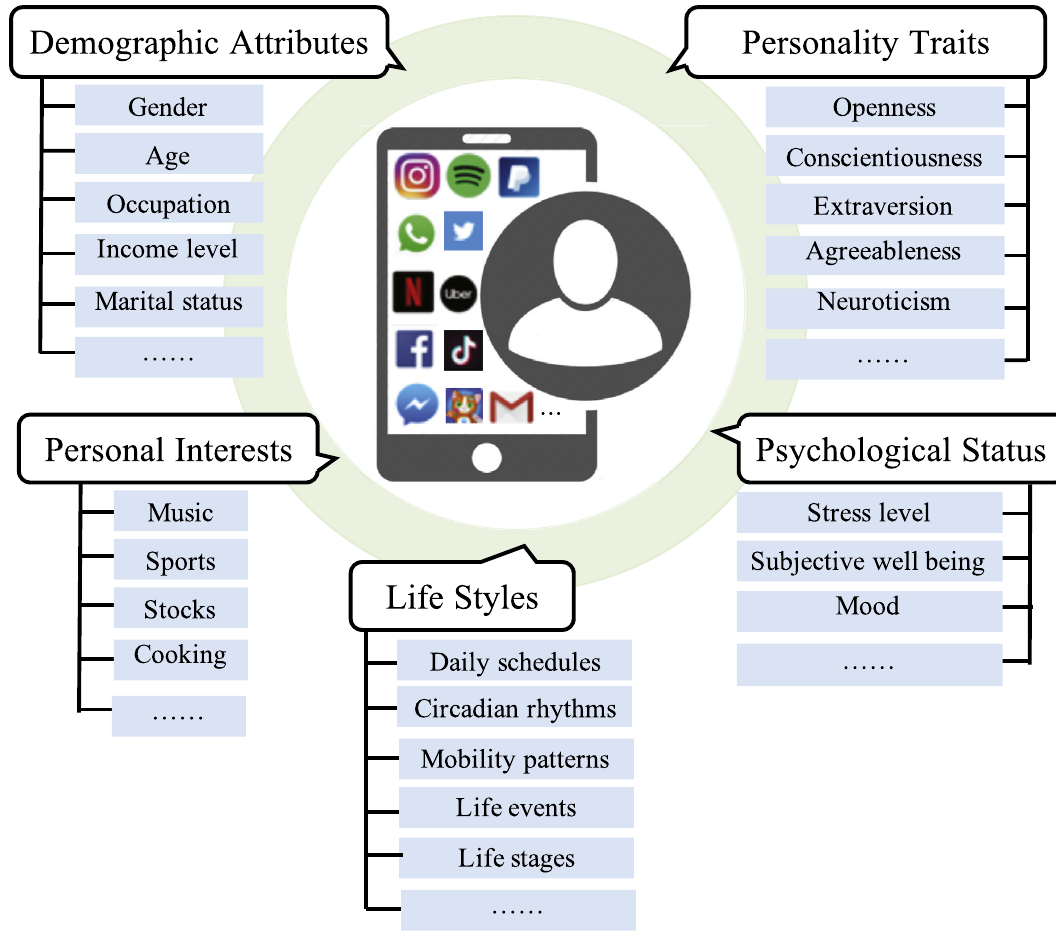 User Profiling from Their Use of Smartphone Applications: A Survey
Pervasive and Mobile Computing · 2019
- Sampling Techniques to Improve Big Data Exploration
IEEE LDAV · 2017